Skip to content
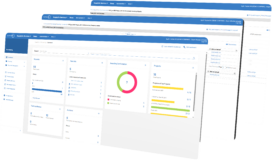
Three angled screenshots display a blue-and-white web dashboard with navigation menus, summary widgets, and a circular progress chart in the centre.
  • Sourcing

Sourcing from demand to award in one continuous process

Standardize and accelerate direct material sourcing across teams, suppliers, and regions. Connect sourcing decisions from initial demand through supplier selection and award, with contract execution via Contract Management.
✓ Reduce manual sourcing effort
✓ Improve transparency across sourcing decisions
✓ Strengthen supplier evaluation and negotiation

Trusted by leading manufacturing companies to manage complex, global supply chains and supplier collaboration processes.
  • Bosch logo featuring a circular emblem with a stylised H on the left and the word BOSCH in bold uppercase letters on the right.
  • Safran logo featuring a stylised S design inside a circle to the left of the word SAFRAN in bold capital letters.
  • Benteler logo in grey with the slogan makes it happen beneath the company name and a triangular symbol to the right.
  • The image displays the Airbus logo in bold, uppercase black letters on a white background.
  • The Schneider Electric logo in grey, featuring the company name in bold text with a stylised S symbol between the words Schneider and Electric.
  • The image shows the Siemens logo, featuring the word SIEMENS in bold, grey capital letters on a white background.
  • Thyssenkrupp logo in grey, featuring three interlocking circles to the left of the company's name in lowercase letters.
  • The image displays the word SCHAEFFLER in uppercase, grey, bold serif letters on a white background.
  • Black and white ZF logo, featuring the letters ZF inside a circle on a plain white background.
  • AUMOVIO logo with a stylised grey A symbol on the left and the word AUMOVIO in bold black letters on a white background.
  • Schindler logo featuring a metallic circular design with a triangular shape inside, and the word Schindler in grey text below the symbol.
  • The image displays the word oerlikon in bold, grey lowercase letters on a white background.
  • Leonardo logo in grey with a stylised fan-shaped emblem to the left of the word LEONARDO in uppercase letters.
  • The word KEENFINITY is written in bold, uppercase black letters on a white background, with a stylised K featuring a diagonal line.
Workflow

From demand to award: how direct material sourcing works

Sourcing in manufacturing describes the structured process of managing supplier selection for direct materials, from initial demand through RfX, negotiation, and award to contract execution via Contract Management.

Sourcing connects demand transfer, feasibility checks, bid evaluation, and approval workflows in one continuous process to improve speed, transparency, and decision quality across global teams.

Challenge

When sourcing processes are fragmented, costs and risks increase

Manufacturing sourcing requires teams to align demand, technical requirements, supplier capabilities, pricing, and internal decisions across functions and regions. When these activities are handled across disconnected tools and processes, sourcing becomes more difficult to manage.

Fragmented sourcing processes

Local templates, spreadsheets, emails, and disconnected workflows make it difficult to align demand, feasibility, supplier evaluation, and sourcing decisions consistently across teams and regions.

Limited negotiation leverage

When supplier and pricing data is not consolidated, comparing offers becomes more difficult and negotiation leverage weakens.

Missing supplier context

When risk, performance, sustainability, and technical feasibility information is separated from sourcing decisions, teams lack important context for supplier selection.

Missing supplier context

Risk, performance, and sustainability data are not integrated into decisions

SupplyOn Approach

Connect sourcing decisions from demand to award

SupplyOn Sourcing connects the steps from initial demand through supplier evaluation, negotiation, approval, and award in one structured process, with contract execution handled via Contract Management. This supports consistent sourcing decisions across teams, suppliers, and regions.

Start sourcing from actual demand

SupplyOn helps sourcing teams start from real demand instead of rebuilding requests manually. Demand can be transferred from ERP and used to prepare structured RfXs, with technical feasibility considered where required.

Business impact
  • Faster sourcing event setup
  • Reduced manual effort and rework
  • Stronger alignment between engineering and sourcing

Office workers sit at desks with computers, while one person stands and another leans over to speak with a seated colleague in a modern, glass-walled workplace.
Person using a laptop in an office setting, viewing a web-based dashboard with tabular data and options on the screen.

Evaluate and negotiate supplier offers with greater transparency

SupplyOn brings supplier offers, cost information, and negotiation into a structured evaluation process, giving sourcing teams a consistent basis for supplier comparison and negotiation. For competitive real-time negotiations, sourcing results can be transferred to the separate SupplyOn Auction service.

Business impact
  • More informed and defensible supplier decisions
  • Improved negotiation outcomes
  • Faster evaluation across sourcing projects

Move from supplier selection to controlled execution

SupplyOn connects sourcing results with structured approval and award, helping teams move from supplier selection into subsequent contract execution via Contract Management without unnecessary administrative handovers.

Business impact
  • Faster and compliant award decisions
  • Reduced administrative handovers
  • Stronger control over supplier selection quality

A man sits at a desk in an office, working on a desktop computer displaying charts and data on the screen.
Business Outcomes

Lower sourcing costs and accelerate sourcing decisions

Structured sourcing processes reduce manual effort, support more effective negotiations, and improve efficiency from RfX through supplier selection.

Up to 40% faster sourcing processes

Through automated RfX workflows compared to manual methods.

50–60% less sourcing management effort

With system-supported tracking and structured evaluation.

Around 65% savings in negotiations

Using the separate SupplyOn Auction service for online auctions instead of traditional negotiation formats.

8–12% lower material costs

Driven by improved pricing transparency and auction strategies.

Frequently Asked Questions

SupplyOn Sourcing supports the direct-material sourcing process from initial demand through RfX, supplier evaluation, negotiation, approval, and award, with contract execution via Contract Management. It connects these activities in a structured electronic process so sourcing teams can manage supplier selection across teams and regions while maintaining transparency throughout the decision process.

Digital sourcing replaces manual RFQ processes in email and spreadsheets with a structured, end-to-end workflow. Instead of managing data in silos, sourcing teams can standardize templates, collect supplier bids, track responses, and evaluate offers in one system. This improves transparency, scalability, and auditability while reducing errors and cycle times.

Yes. Demand can be transferred directly from ERP into the sourcing process rather than being recreated manually. This can include one-off demand as well as demand based on production plans and bill-of-material contexts. Buyers can then use the transferred demand to prepare RfXs with structured item lists and specifications, helping maintain consistency between demand planning and sourcing execution.

Technical feasibility checks can be integrated into the sourcing process before suppliers submit their bids. This allows technical requirements and feasibility to be considered alongside the commercial sourcing process and supports stronger alignment between engineering and sourcing.

Digital sourcing supports different negotiation formats, including RFQs, multi-round negotiations, and e-auctions such as English or reverse auctions. These formats allow sourcing teams to compare supplier offers dynamically, improve price transparency, and drive competitive outcomes in a structured environment.

Bid evaluation in digital sourcing goes beyond price comparison. It includes structured analysis of supplier offers based on cost breakdowns, technical feasibility, and predefined criteria. Automated bid comparison and cost breakdown structures provide additional transparency for evaluating commercial and technical requirements.

Digital sourcing improves efficiency, transparency, and control across the sourcing process. It connects demand, supplier communication, evaluation, negotiation, approval, and award in one workflow, with contract creation handled via Contract Management. This helps organizations reduce manual effort, standardize processes, and make sourcing decisions faster.

Yes. Sourcing can consider supplier performance, risk data, sustainability information, and technical feasibility as part of the decision process. Bringing this supplier context into sourcing decisions helps teams consider factors beyond price when evaluating and selecting suppliers.

Sourcing results can move through structured decision and approval processes before contract execution. SupplyOn supports sourcing decision documentation, pre-calculated values, and multi-level approval workflows. Once approved and awarded, sourcing results can flow into Contract Management for contract templates and electronic signature, as well as into ERP supplier records and APQP-related follow-up processes.

Sourcing

Make every sourcing decision faster, cleaner, and easier to defend

Connect demand, RfX, evaluation, negotiation, approval, and award in one structured sourcing process — so your teams can reduce manual effort, strengthen negotiation outcomes, and select suppliers with greater confidence.