- Sourcing
Sourcing from demand to contract in one continuous process
What is sourcing in manufacturing?
Sourcing in manufacturing describes the structured process of managing supplier selection for direct materials, from initial demand through RfX, negotiation, and contract execution. Modern sourcing connects demand transfer, feasibility checks, bid evaluation, and approval workflows in one continuous process to improve speed, transparency, and decision quality across global teams.
When sourcing processes are fragmented, costs and risks increase
Manufacturing sourcing involves aligning demand signals, BOM structures, technical feasibility, supplier capabilities, pricing logic, and internal approvals across regions and functions.
When these steps are handled across spreadsheets, emails, and disconnected tools, sourcing becomes slow, inconsistent, and difficult to manage. Decisions lose transparency, negotiation leverage weakens, and compliance becomes harder to enforce.
Turn sourcing into a connected, end-to-end decision process
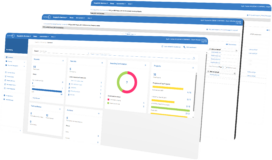
SupplyOn Sourcing is designed as a continuous electronic process from demand to contract. Instead of treating RfX, supplier evaluation, approval, and contracting as separate activities, SupplyOn connects them in one workflow that supports direct-material complexity, global collaboration, and structured decision-making.
Demand-based RfX preparation and supplier onboarding
SupplyOn helps sourcing teams start from real demand instead of rebuilding requests manually. Demand can be transferred from ERP, whether it comes from a one-off need or a production-plan and bill-of-material context. Buyers can then prepare RfXs quickly using flexible templates, central specifications, and structured item lists, while also checking technical feasibility where needed before suppliers submit bids. The result is a cleaner, faster, and more compliant sourcing launch.
Key features
- ERP-based demand transfer for one-off and BOM sourcing
- Flexible RfX templates with structured item lists
- Integrated feasibility checks before supplier response
Impact
- Faster sourcing event setup
- Reduced manual effort and rework
- Stronger alignment between engineering and sourcing


Structured bid evaluation and negotiation control
Compare supplier offers with transparency and negotiate with better data
SupplyOn allows teams to evaluate supplier bids in a structured way, combining automated comparisons with deep cost analysis. Integrated negotiation formats, including auctions, help improve outcomes and reduce cycle times.
Key features
- Automated bid comparison and analysis
- Cost breakdown structures for price transparency
- Multiple auction and negotiation formats
Impact
- More informed and defensible supplier decisions
- Improved negotiation outcomes
- Faster evaluation across sourcing projects
Controlled awarding and contract execution
SupplyOn helps teams turn sourcing results into controlled business decisions. Award recommendations can be supported by automatically generated sourcing decision documents, pre-calculated values, and multi-level approval workflows. Once approved, results can flow into contract templates, electronic signature, ERP supplier records, and APQP-related follow-up processes. That means sourcing does not stop at supplier selection — it moves directly into operational execution.
Key features
- Automated sourcing decision documentation
- Multi-level approval workflows
- Contract creation with e-signature integration
Impact
- Faster and compliant award decisions
- Reduced administrative handovers
- Stronger control over supplier selection quality

Lower sourcing costs and faster decisions across the entire process
The sourcing materials provide unusually strong, process-specific value proof. The most relevant outcomes come from automating RfX workflows, improving negotiation leverage, reducing sourcing-management effort, and using auction-based formats to lower material cost while making the overall sourcing process faster and more transparent.
Sourcing becomes faster, more transparent, and directly connected to measurable cost and process improvements.
Frequently Asked Questions
Make every sourcing decision faster, cleaner, and easier to defend
Connect demand, RfX, evaluation, negotiation, approval, and contract creation in one structured sourcing process — so your teams can reduce manual effort, strengthen negotiation outcomes, and select suppliers with greater confidence.